
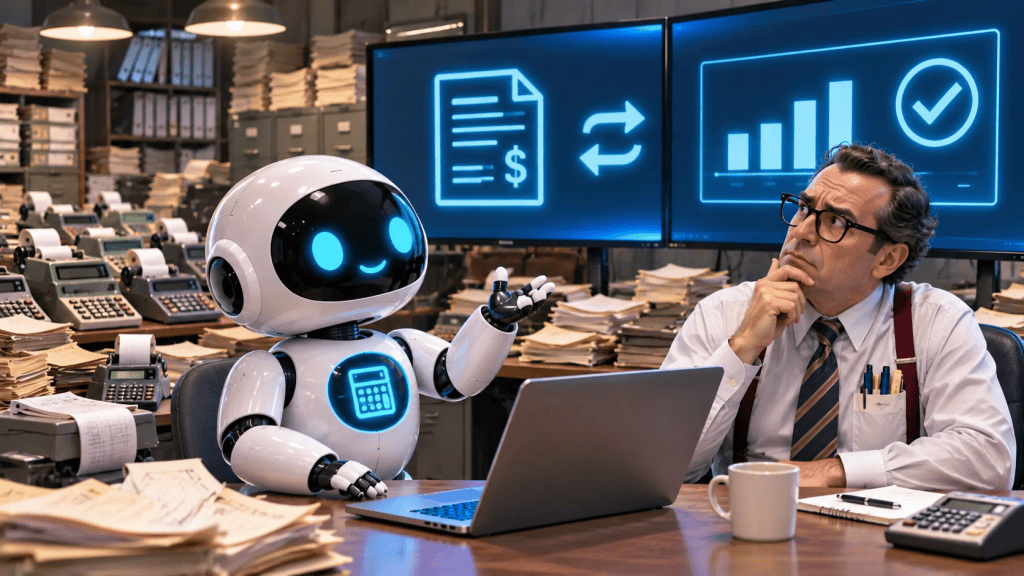
OpenAI has introduced ChatGPT for Accounting, a set of tools that allows finance teams to use AI across their existing accounting systems. The offering combines an Accounting plugin with connections to software including Xero, QuickBooks, NetSuite and FreshBooks, helping users prepare invoices, reconcile transactions and produce financial reports.
Rather than replacing accounting platforms, ChatGPT works with the records and applications organisations already use. It can gather supporting information, identify discrepancies and prepare draft entries for review. The development brings AI closer to everyday financial operations, where repetitive processing and checking can consume substantial staff time.
Key facts
- The Accounting plugin provides guidance for invoicing, reconciliation, reporting and recurring finance workflows.
- Supported partner applications include Xero, QuickBooks, NetSuite, BILL, FreshBooks, Rillet and Campfire.
- Users can prepare draft accounting entries and flag missing or uncertain information.
- ChatGPT can compare transactions, identify potential duplicates and assemble supporting records.
- ChatGPT Business users can install the plugin, while Enterprise administrators must approve it.
- Users remain responsible for reviewing calculations, account coding and proposed changes before approval.
Our take
This is a practical example of generative AI moving beyond drafting documents into the systems businesses use every day. For New Zealand accounting firms and finance teams, the potential benefits include less manual processing, faster month-end reporting and more time for financial analysis and client advice.
However, accounting information is sensitive and mistakes can have significant consequences. Organisations should start with a limited workflow, check integration availability for their region, apply appropriate access permissions and retain human approval over financial entries. The greatest value will come from combining automation with reliable source records and established professional controls, rather than treating AI-generated figures as automatically correct.

